This guide explains how Vehicle Availability is measured, monitored, and improved so fleets can plan routes, staffing, and maintenance with confidence. Vehicle Availability reflects the number of vehicles that are ready for service within a defined time window, factoring in maintenance schedules, driver capacity, and compliance checks. The objective overview below clarifies why it matters and how to manage trade-offs responsibly.
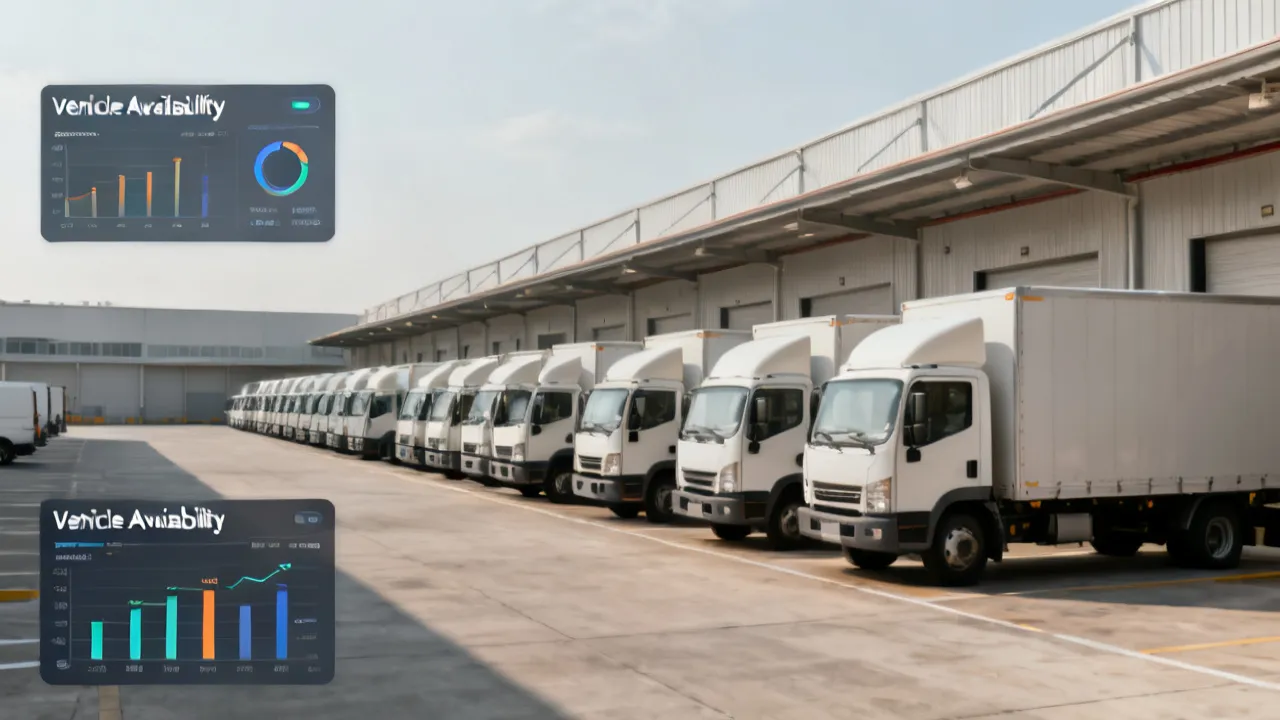
Vehicle Availability is one of those fleet-management concepts that sounds straightforward on the surface, yet—when you try to operationalize it—quickly reveals its real complexity. At its core, Vehicle Availability determines whether your fleet can meet scheduled demand with minimal disruption. In practical terms, it reflects the proportion of vehicles that are truly prepared to operate, aligned with maintenance status, inspection readiness, safety documentation, and the operational constraints that determine whether a vehicle can be deployed for a specific service window. When Vehicle Availability is measured and managed consistently, route planning becomes more dependable, customer promise dates become more realistic, and overall operational risk is reduced because teams can commit to delivery plans with fewer last-minute substitutions.
It also serves as a bridge metric between “what maintenance says is ready” and “what operations can actually dispatch.” Many fleets suffer not because they lack vehicles, but because vehicles are not simultaneously ready in the way dispatch needs them to be: at the right location, at the right time, with the right compliance posture, and with the right driver pairing. Vehicle Availability sits exactly at that intersection.
In other words, Vehicle Availability is not merely an inventory-like measure (how many assets you own). It is a readiness-and-deployability measure (how many assets you can reliably use to meet commitments). That distinction is critical. Two fleets with the same number of trucks can experience radically different service performance if one fleet has predictable readiness and the other has a constant stream of “almost available” vehicles that fall out of eligibility moments before dispatch.
From an industry perspective, Vehicle Availability is not just an operational metric—it is the backbone of capacity planning. If availability is low, planners typically compensate using workarounds: rerouting shipments, using backup vehicles, extending driver hours where compliant, reallocating loads across time windows, renegotiating delivery times, or adding administrative effort to manage exceptions. Each workaround tends to carry measurable cost: additional labor from manual re-planning, increased fuel consumption from detours or suboptimal routing, higher systems and coordination overhead, and in some cases elevated compliance risk if processes become rushed. Conversely, when Vehicle Availability is strong, stable, and predictable, fleets can optimize load factors, reduce “firefighting,” stabilize staffing and driver utilization, and maintain service-level targets that customers rely on.
What makes Vehicle Availability particularly influential is that it impacts not just one part of the operation, but multiple downstream processes:
Importantly, Vehicle Availability is influenced by multiple interacting systems. It rarely comes down to “maintenance” alone. Instead, availability is a composite of:
Because these drivers are interdependent, a fleet can see “maintenance improvements” without true Vehicle Availability improvement. For example, a fleet might reduce time-to-repair in the maintenance workshop, but release QA takes longer due to backlog, documentation delays, or inconsistent checklists—meaning dispatch eligibility still arrives late.
Vehicle Availability is typically expressed as a ratio or percentage over a defined planning horizon. Although definitions vary by organization, the consistent principle is that only vehicles meeting “ready to operate” criteria are counted. Those criteria often include:
However, an important nuance is that Vehicle Availability is not automatically equal to “asset uptime.” A vehicle may be available from an uptime perspective but still ineligible for dispatch due to QA release requirements, missing certifications, or because it is not at the right location for the dispatch window. Similarly, a vehicle may be operational but lacking a qualified operator at the right time, making it effectively unavailable.
For objective planning, it is essential that “ready” is defined the same way across shifts, depots, and teams. If your definition changes informally from day to day—“available usually means ready unless dispatch says otherwise”—you will see stable numbers that mask operational fragility.
Many fleet teams start with a spreadsheet or a legacy maintenance report. That approach often fails because Vehicle Availability can shift daily, sometimes hourly. It can also shift differently depending on the underlying state transitions used by maintenance systems versus the dispatch logic used by planning systems. An expert-level top practice is to formalize availability logic so that data sources reconcile to the same eligibility rules.
To build a robust availability logic, planners typically start by addressing these foundational questions:
This clarity reduces disputes between departments—operations, maintenance, and scheduling—because everyone works from a shared definition of Vehicle Availability. In many organizations, improved Vehicle Availability is not primarily a technical improvement; it is an alignment improvement.
Within many fleets, the biggest swings in Vehicle Availability come from the maintenance cycle and the speed at which faults are resolved. Even with preventive maintenance schedules, unplanned breakdowns can quickly reduce ready-to-dispatch counts. The difference between a stable and unstable availability curve often comes from workflow reliability—how consistently and predictably you move from fault detection to dispatch readiness—not only from the average duration of repairs.
To improve availability in a measured, sustainable way, fleets commonly focus on three areas:
These efforts matter because Vehicle Availability is rarely impacted by one variable. For example, consider this common chain:
Notice that if you only tracked “maintenance completion time,” you might incorrectly conclude that repairs improved. But Vehicle Availability depends on the full chain that leads to dispatch eligibility.
Once you can measure Vehicle Availability reliably, the next step is to operationalize it. At an expert level, the goal is not only to track availability as an after-the-fact metric, but to use it to make scheduling decisions before service windows start.
Common scheduling decisions tied to Vehicle Availability include:
Well-managed fleets typically treat Vehicle Availability as a planning constraint rather than a dashboard outcome. That shift changes how the organization behaves: instead of reacting to late failures, it builds a planning system that anticipates typical availability patterns, including known seasonal peaks, recurring maintenance backlog cycles, and supply chain slowdowns.
Vehicle Availability metrics can become misleading if the data pipeline doesn’t reflect dispatch reality. Examples of frequent pitfalls include:
To avoid these issues, organizations often audit their availability definition monthly and compare reported readiness to actual dispatch outcomes. A strong audit doesn’t only compare averages; it examines the distribution of “failure-to-dispatch” events—how late they occur, which depots they happen in, and whether the causes are systematic.
Even when fleets own and maintain vehicles internally, they frequently depend on external suppliers and service partners. This can include maintenance contractors, tire and brake specialists, body repair shops, calibration services, or parts distributors. The key operational lesson is that Vehicle Availability is only as strong as the handoff between internal planning and supplier execution.
Expert teams reduce friction by enforcing alignment across the handoff chain:
In practice, supplier coordination improves availability when it becomes part of the measurement design. Without supplier-cycle-time tracking and handoff rules, internal maintenance teams might appear efficient even while supplier-driven delays create real dispatch gaps.
Additionally, supplier performance must be tracked against the correct operational outcome. For instance, a supplier may claim that repairs were completed, but if internal verification later reveals a recurring defect or documentation deficiency, the fleet will see repeated availability losses. In that situation, availability management should treat “repeat failures” as a supplier quality issue—not merely as a maintenance process issue.
The section below compares common approaches to managing Vehicle Availability. It is intended as a practical reference for decision-makers selecting how to structure their processes. Conditions and requirements are included to help translate the concept into implementation.
| Approach | What it does well | Typical conditions/requirements |
|---|---|---|
| Maintenance-status driven availability | Good visibility into preventive and corrective maintenance impact | Standardized maintenance status codes; reliable work order updates |
| Dispatch-ready “eligible” rule engine | Better alignment with what planners can actually use | Clear eligibility criteria; integration between maintenance, inspections, and dispatch |
| Predictive availability forecasting | Supports earlier planning and staffing adjustments | Historical incident data; consistent fault coding; periodic model validation |
| Supplier-cycle-time tracking | Improves availability where external partners cause delays | Defined supplier SLAs; consistent intake/outtake timestamps; QA handoff rules |
In real operations, organizations often combine these approaches rather than choosing just one. For example, a maintenance-status model might provide baseline visibility, while an eligibility rule engine determines actual dispatch-ready counts. Forecasting then uses historical patterns to estimate future availability, and supplier-cycle-time tracking explains why the forecast is wrong when suppliers deviate from expected cycles.
Below is a structured, step-by-step process that fleets can use to strengthen Vehicle Availability without overpromising. These steps are designed to be objective and operationally actionable.
For context on how fleets typically evaluate asset reliability and maintenance effectiveness, recognized bodies such as the Society of Automotive Engineers (SAE) publish guidance related to maintenance and reliability engineering practices. Additionally, the U.S. Department of Energy (DOE) and related energy-efficiency programs often reference fleet operational factors that influence readiness and performance. For operational analytics quality, widely adopted measurement principles can be mapped to established data-governance and performance-management practices used across logistics industries.
While Vehicle Availability is a dispatch-oriented metric, it is also deeply connected to reliability engineering principles: you cannot sustainably improve readiness without understanding failure patterns, maintenance effectiveness, and the stochastic nature of breakdowns and parts delays. In many organizations, reliability improvement initiatives (for example, condition-based maintenance or improved fault code granularity) eventually translate into Vehicle Availability improvement because fewer vehicles fall into unplanned ineligible states.
Note: Specific numerical claims about industry-wide Vehicle Availability averages should be treated cautiously unless supported by a direct, published report for your region and vehicle class. If you want, share your vehicle type (e.g., light commercial, heavy-duty, refrigerated) and country/region, and I can suggest regionally relevant, citable sources.
Different industries interpret “ready” differently, which changes how Vehicle Availability should be measured. The same percent-available number can mean different things depending on the service model and regulatory requirements.
Sector differences also affect which availability failures matter most. In some industries, missing a delivery window by minutes can trigger penalties. In others, the cost impact is measured by labor and vehicle idling. Vehicle Availability measurement should be tuned to the operational consequences that your organization actually faces.
Vehicle Availability is the share of fleet vehicles that meet agreed “dispatch-ready” criteria within a defined time window. It typically accounts for maintenance status, inspection and compliance readiness, and other operational constraints that affect whether vehicles can actually be deployed.
A common method is to divide the number of vehicles that are eligible for service at a given time (or average across a period) by the total vehicles in the relevant scope. The critical requirement is that the eligibility criteria are consistent and reflect real dispatch requirements, including location, documentation, QA release, equipment fit, and—where relevant—driver pairing dependencies.
This happens when “available” is based on internal activity status rather than dispatch eligibility. Examples include vehicles awaiting QA release, missing required equipment, or lacking driver pairing. Differences between depot-based readiness and route-based readiness can also distort real outcomes. Another common reason is that the metric uses a too-late timestamp, counting a vehicle as available after the dispatch window has already closed.
Typical causes include unplanned breakdowns, parts lead-time delays, preventive maintenance running over schedule, inspection/compliance hold points, QA release backlogs, documentation delays, and location constraints that prevent vehicles from reaching dispatch sites in time. In some sectors, adverse conditions such as extreme weather can increase staging delays and reduce the effective availability for specific time windows.
Suppliers influence the repair cycle time and the quality of handoffs. Even when a supplier reports a repair as complete, the vehicle may remain unavailable until internal QA, documentation, and dispatch checks are fully satisfied. So supplier performance should be tracked against return-to-service readiness, not only repair completion paperwork. Rework and repeat faults should also be treated as supplier-driven impacts to availability.
Yes, when forecasting is built on consistent historical data, validated regularly, and translated into planning actions (buffers, staffing adjustments, and route scenario planning). Forecasting should guide decisions, not replace operational readiness verification at dispatch time. A forecast that does not connect to dispatch policies can become an “interesting report” rather than a reliability tool.
Organizations should ensure standardized status coding, reliable timestamping across maintenance and dispatch systems, clear QA release criteria, and cross-team ownership of eligibility definitions. Without these conditions, metrics may change but reliability may not improve. Additionally, teams should define how exceptions are treated—especially partial repairs, conditional approvals, and missing documentation—so that availability measurement remains trustworthy.
Vehicle Availability sits at the intersection of maintenance execution, operational discipline, and supplier coordination. When fleets define dispatch eligibility clearly, track availability losses by root cause, and use the metric to drive scenario-based planning, they improve reliability and reduce the operational volatility that customers feel very directly—missed windows, rushed substitutions, and avoidable rescheduling.
Ultimately, the most effective fleets do not view Vehicle Availability as a passive dashboard. They treat it as a controllable constraint that the organization can influence through workflow improvements, better data integrity, supplier alignment, and realistic planning buffers. When that mindset is adopted, Vehicle Availability becomes a practical reliability lever rather than an abstract measure.
If you share your fleet size, vehicle types, and how you currently record readiness (maintenance system, spreadsheets, or telematics), I can tailor a Vehicle Availability measurement structure and suggest a practical reporting cadence that aligns with your dispatch rhythm.
Striking the Perfect Balance: Navigating Premiums and Out-of-Pocket Expenses in Senior Insurance Plans

Explore the Tranquil Bliss of Idyllic Rural Retreats

How to Make Lasting Memories at Disneyland Attractions

Affordable Phones and Plans for Seniors

Affordable Full Mouth Dental Implants Near You

Unlock the Top Kept Secrets to Finding Your Ideal Dentist for Flawless Dental Implant Results!

Discovering Springdale Estates

Unveiling RS Sul Telecom Services

The Guide to Car Trading


How to Evaluate Vehicle Availability with Confidence
This guide explains how to assess Vehicle Availability across dealers and fleets, so you can plan purchases or rentals with fewer surprises. “Vehicle Availability” reflects how quickly specific models can be reserved, delivered, or serviced based on inventory, sourcing, and lead times. Learn what to verify, how to compare suppliers, and which conditions affect availability decisions.

Understanding Vehicle Availability for Smart Fleet Decisions
This guide explains how vehicle availability shapes fleet operations, from sourcing to scheduling and maintenance planning. It provides objective background on key terms like inventory flow, lead times, and supply-side constraints, then translates them into practical decision criteria. You’ll also find a structured comparison, step-by-step evaluation conditions, and expert FAQs to support procurement discussions with confidence.

Vehicle Availability: Pricing, Suppliers, and Practical Steps
Vehicle Availability in the rental and mobility market determines how quickly customers can confirm delivery, lock in pricing, and match vehicles to trip needs. This guide explains how suppliers manage inventory, why rates move, and what to verify before booking. It also includes an objective comparison of practical options, clear requirements, and FAQs.
Vehicle Availability Guide for Smarter Fleet Planning
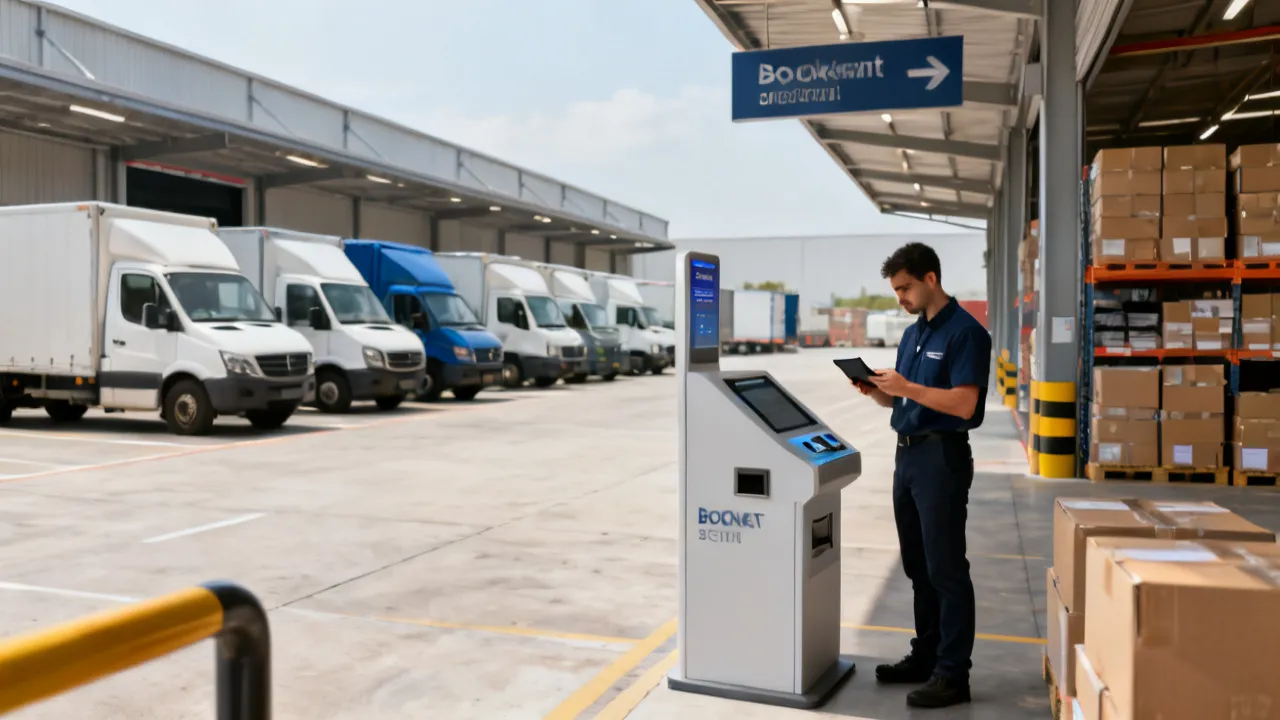
Vehicle availability determines whether deliveries, field work, and customer service can run on time. This guide explains how availability is measured, what typically limits it, and how suppliers and fleet managers can align schedules, maintenance, and demand. It also presents practical conditions, a decision framework, and expert-backed FAQs to reduce downtime.

Vehicle Availability: Expert Guide for Smart Planning
Vehicle availability is the key factor behind smooth rentals, fleet scheduling, and delivery commitments. This guide explains what “Vehicle Availability” means in practice, how suppliers manage inventory, what drives real-time supply, and how you can plan responsibly to reduce delays—using clear decision criteria, checklists, and requirements readers can apply across common vehicle categories.

Understanding Vehicle Availability for Smarter Sourcing
This guide explains how Vehicle Availability is assessed, confirmed, and managed when you’re sourcing cars through suppliers. You’ll learn objective ways to evaluate inventory readiness, lead times, and documentation requirements, plus practical decision criteria for buyers and fleet managers. Background context covers why real-world availability often differs from online listings.